
Important tips when using an ultrasonic disinfection device!
Ultrasonic waves are sound waves with frequencies above the upper limit of human hearing, typically above 20,000 decibels. They have a variety of uses, including cleaning and disinfecting objects. The process of cleaning and disinfecting using ultrasonic waves is known as ultrasonic cleaning.

How it works:
1. **Ultrasonic Cleaner:** An ultrasonic cleaner is a device that generates high-frequency sound waves through a transducer. This transducer converts electrical energy into mechanical vibrations, creating ultrasonic waves in a liquid solution.
2. **Liquid Solution:** The object to be cleaned or disinfected is placed in a tank filled with the appropriate liquid solution. This solution can be water or a solvent, depending on the type of item or disinfection requirements.
3. **Cavitation:** When ultrasonic waves travel through a liquid, they create a phenomenon known as cavitation. Cavitation occurs when the waves create tiny, high-energy bubbles in the liquid. These bubbles rapidly expand and collapse due to the alternating pressure caused by the sound waves.
4. **Cleaning Process:** The collapse of these bubbles creates intense localized pressure and high temperatures, which causes degreasing. The microscopic bubbles implode near the surface of the object, effectively removing dirt, grime, and microorganisms from its surface.
5. **Disinfection:** In addition to the mechanical disinfection action, high-energy cavitation bubbles also produce liquid microelements that can physically remove and kill microorganisms such as bacteria and viruses, aiding the disinfection process.
6. **Rinse and Dry:** After the ultrasonic disinfection process, the item is usually rinsed thoroughly to remove any remaining cleaning solution. It can then be dried using various methods, such as air drying or a drying chamber.
Ultrasonic disinfection is effective for a wide range of objects, including jewelry, medical instruments, automotive parts, and electronics. It is known for its ability to clean difficult and hard-to-reach areas that can be difficult to clean with traditional methods.

Important tips when using an ultrasonic disinfection device
- **Safety:** Make sure the cleaning solution and the object to be cleaned are compatible to avoid damage.
- ** Frequency and power: ** The choice of ultrasonic frequency and power level depends on the nature of the contaminants and the object to be cleaned.
- **Time:** The cleaning process can take from a few minutes to an hour, depending on the complexity of the task.
- **Maintenance:** Clean and maintain your ultrasonic disinfector regularly to ensure its effectiveness.
შესაძლოა დაგაინტერესოთ
-
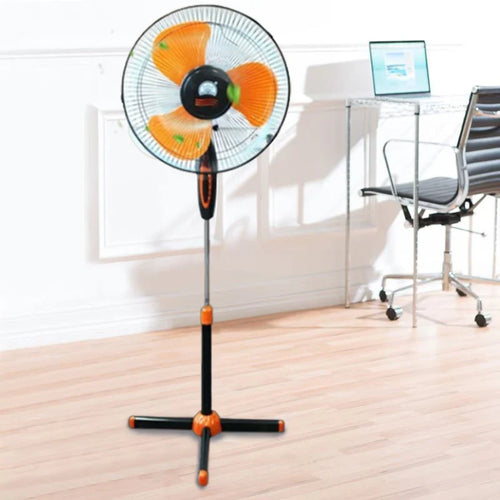
How to choose a fan?
As soon as summer arrives, the first thing that comes to mind is a fan . Fresh air circulation in the heat, rapid coo...
-
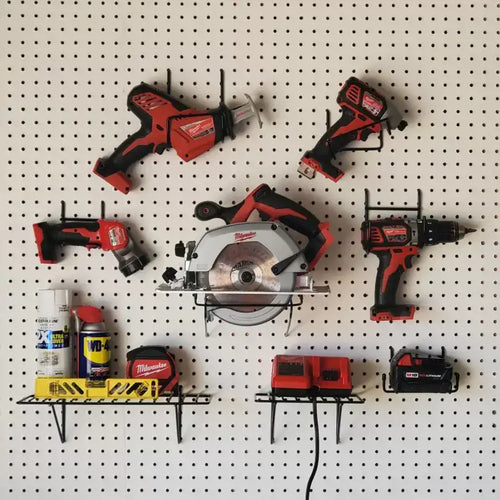
How to choose power tools in 2025?
Modern construction and repair work is unthinkable without quality power tools. Choosing the right tool is essential ...
-
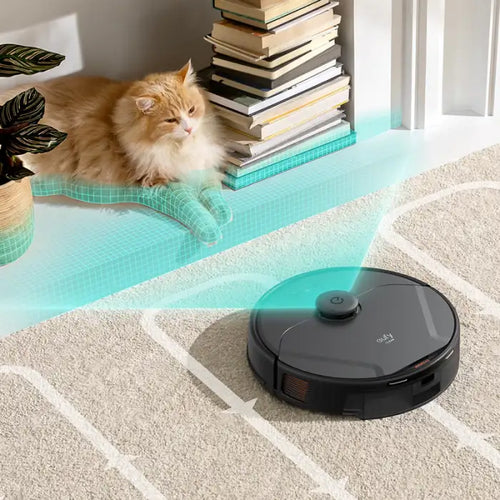
How to choose a robot vacuum cleaner?
The question of how to choose a robot vacuum cleaner has been relevant since the appearance of these smart devices on...
-
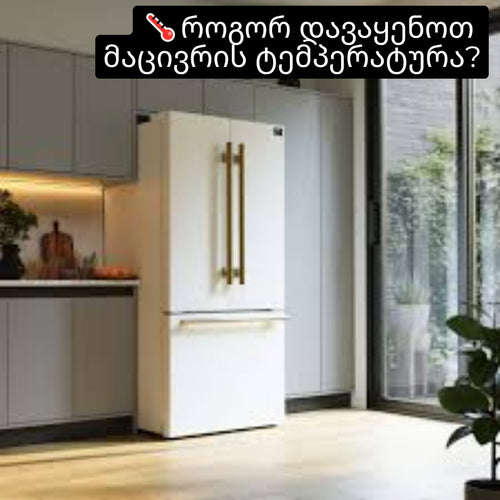
How to set the refrigerator temperature?
Setting the refrigerator temperature correctly is essential to ensure that products retain their nutritional value fo...
-
Air conditioner for 40 square meters - everything you need to know before buying
There are several important factors to consider when selecting the right air conditioner for a 40 m² room in 2025, en...
-

Intex or Bestway - which pool to choose?
When shopping for an outdoor framed pool, you've probably come across Bestway and Intex pools. Both brands offer a wi...
-
Overview of air conditioner features - what each one means
A modern air conditioner has many features, some of which are easy to guess by their names, but in advertising campai...
-
The most comprehensive review of DELONGHI coffee machines
DeLonghi is an Italian premium brand known for its high-quality home appliances, especially coffee machines . The com...
