
Use the milling machine easily and safely!
Using a milling machine effectively requires proper training and experience, as it can be a complex and potentially dangerous tool if not used correctly.
However, below are some general steps and tips for using a milling machine safely and effectively.
Using a milling machine:
1. Safety first:
- Always wear appropriate personal protective equipment (PPE), including safety glasses, hearing protection, and a dust mask if necessary.
- Make sure the milling machine is in good working order and properly maintained.
- Keep your work area clean and well lit.
- Follow all safety instructions and procedures provided by the manufacturer.

2. Setup:
- Securely clamp the workpiece to the milling machine table or spindle.
- Select the appropriate cutter for your job and install it securely in the shank.
- Set the spindle speed and feed rate depending on the material being processed and the type of cut you intend to make.
3. Zeroing the axes:
- Set a reference point (usually called zero or origin) for the X, Y, and Z axes on the machine.
- This ensures that the milling machine knows where to start its actions.
4. Adjusting the height of the tool:
- Adjust the height of the tool so that it is above the surface of the workpiece.
- Use an edge finder or dial indicator for precise height adjustment.
5. Grinding operations:
- Turn on the machine and approach the workpiece slowly and carefully.
- Start the operation with a light pass, then gradually increase the depth of cut.
- Observe the machine and workpiece for signs of excessive vibration or unusual noises.
6. Cooling and lubrication:
- Use an appropriate cutting fluid or coolant to cool the cutting tool and workpiece and remove excess material.
- Regularly lubricate the moving parts of the machine to prevent wear.
7. Measure and check:
- Periodically stop the machine to measure and inspect your workpiece using precise measuring tools.
- Make adjustments as necessary to achieve desired dimensions and surface finish.
8. Shutdown:
- When you are finished using the router, turn off the machine and wait until all moving parts have come to a complete stop.
- Clean the work area and remove debris.

9. Maintenance:
- Maintain and clean the milling machine regularly, including lubricating and inspecting worn parts.
- Follow the manufacturer's instructions for maintenance and calibration.
10. Training and practice:
- If you are new to milling, seek proper training and practice under the supervision of an experienced operator.
Remember that milling can be a precision machining process, so patience and attention to detail are important. Always prioritize safety and follow the manufacturer's recommendations and instructions for your specific milling machine.
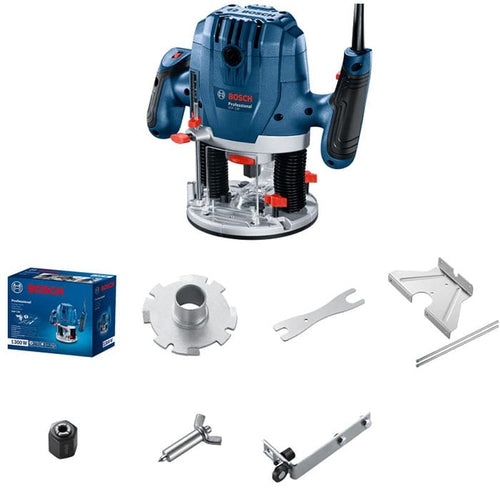
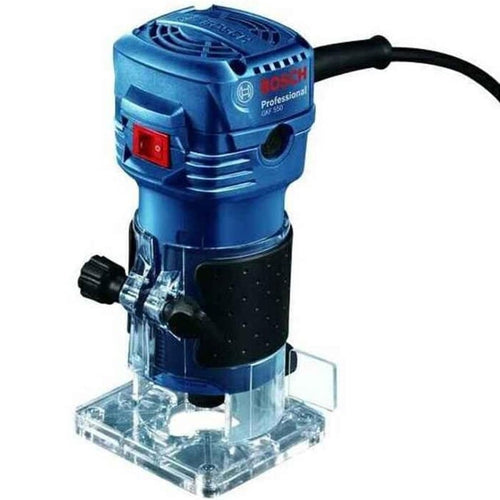
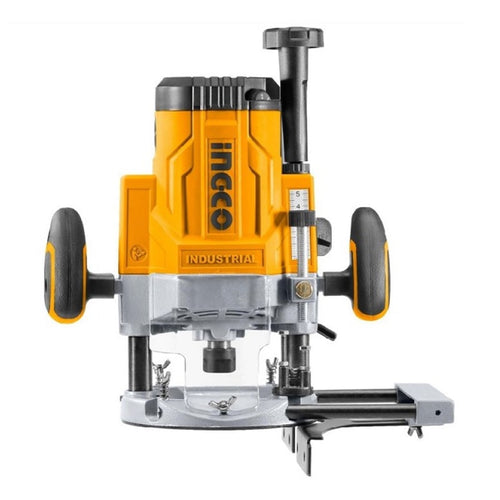
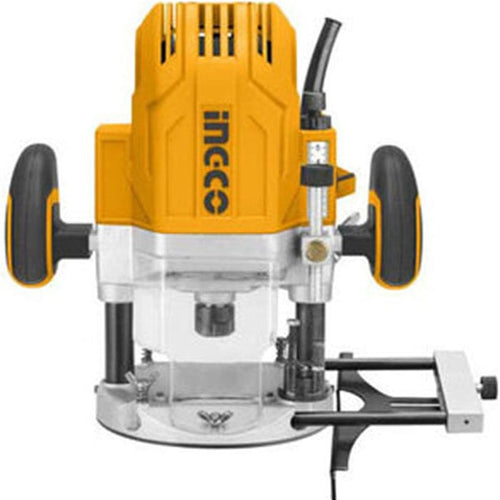
Popular models

 კომერციული გარანტია 1 წელი



შესაძლოა დაგაინტერესოთ
-
How to choose a fan?
As soon as summer arrives, the first thing that comes to mind is a fan . Fresh air circulation in the heat, rapid coo...
-
How to choose power tools in 2025?
Modern construction and repair work is unthinkable without quality power tools. Choosing the right tool is essential ...
-

How to choose a robot vacuum cleaner?
The question of how to choose a robot vacuum cleaner has been relevant since the appearance of these smart devices on...
-
How to set the refrigerator temperature?
Setting the refrigerator temperature correctly is essential to ensure that products retain their nutritional value fo...
-

Air conditioner for 40 square meters - everything you need to know before buying
There are several important factors to consider when selecting the right air conditioner for a 40 m² room in 2025, en...
-

Intex or Bestway - which pool to choose?
When shopping for an outdoor framed pool, you've probably come across Bestway and Intex pools. Both brands offer a wi...
-

Overview of air conditioner features - what each one means
A modern air conditioner has many features, some of which are easy to guess by their names, but in advertising campai...
-
The most comprehensive review of DELONGHI coffee machines
DeLonghi is an Italian premium brand known for its high-quality home appliances, especially coffee machines . The com...
