
Learn more about how a dishwasher works
A dishwasher is a device used to automatically wash dishes.
Unlike washing dishes by hand, which relies on physical labor to remove dirt, a dishwasher washes with hot water, typically between 45 and 75 °C (110 and 170 °F).

Working principle:
A mixture of water and dishwashing detergent is pumped into one or more rotating sprayers and the dishes are cleaned with the cleaning mixture. The mixture is recirculated to save water and energy. This is followed by a main wash with fresh water and detergent.
After the wash cycle is complete, the water is drained from the machine; more hot water is introduced into the tub via an electromechanical solenoid valve and the rinse cycle(s) begins. After the wash cycle is complete, the water is drained again and the dishes are dried using one of several drying methods.
In addition to domestic units, industrial dishwashers are available in commercial establishments such as hotels and restaurants where a large volume of dishes must be washed. Washing is carried out at temperatures of 65–71 °C (149–160 °F) and sanitization is achieved by using a booster that provides 82 °C (180 °F).

Size and capacity
Dishwashers that are built into standard kitchen cabinets have a standard width and depth of 60 cm. Portable dishwashers are available in 45 and 60 cm lengths or 18 and 24 inches wide, with drainboards and attached countertops. There are also dishwashers available in sizes according to the European Gastronorm standard.
Dishwashers can be standard or high-bay designs; standard bay dishwashers have a service plate under the door, allowing for easier maintenance and installation.
Popular models

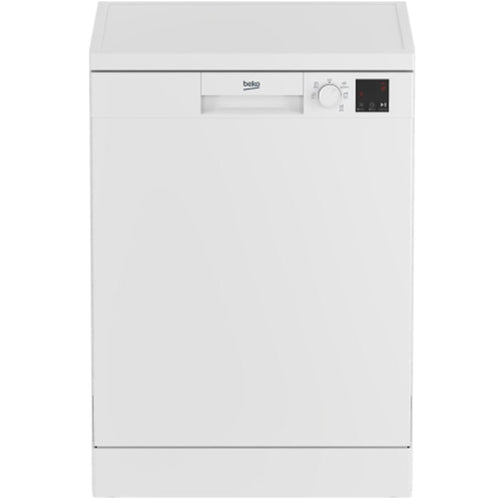
 გარანტია 4 წელი


შესაძლოა დაგაინტერესოთ
-
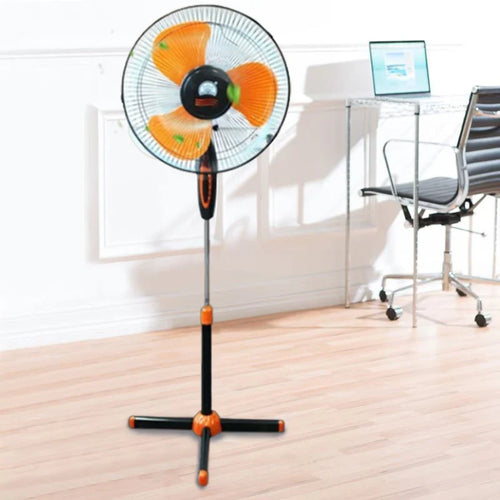
How to choose a fan?
As soon as summer arrives, the first thing that comes to mind is a fan . Fresh air circulation in the heat, rapid coo...
-

How to choose power tools in 2025?
Modern construction and repair work is unthinkable without quality power tools. Choosing the right tool is essential ...
-

How to choose a robot vacuum cleaner?
The question of how to choose a robot vacuum cleaner has been relevant since the appearance of these smart devices on...
-
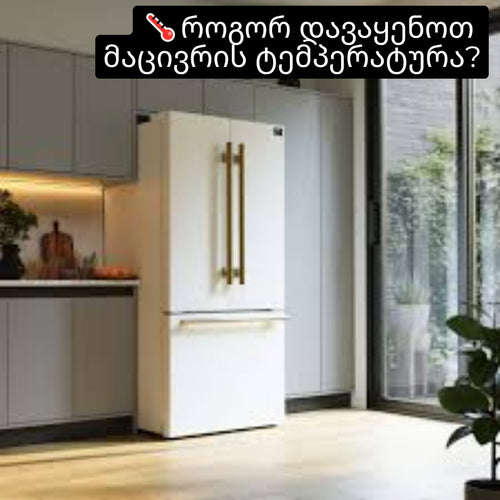
How to set the refrigerator temperature?
Setting the refrigerator temperature correctly is essential to ensure that products retain their nutritional value fo...
-
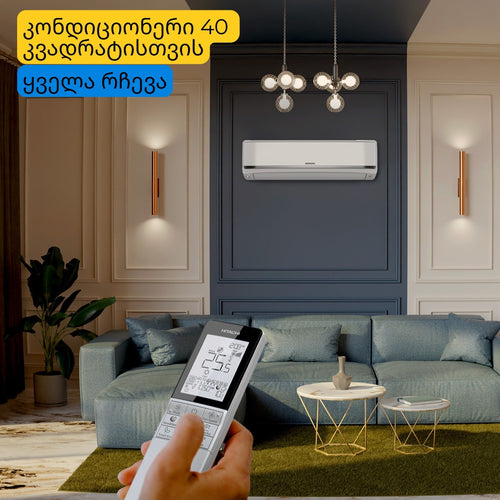
Air conditioner for 40 square meters - everything you need to know before buying
There are several important factors to consider when selecting the right air conditioner for a 40 m² room in 2025, en...
-

Intex or Bestway - which pool to choose?
When shopping for an outdoor framed pool, you've probably come across Bestway and Intex pools. Both brands offer a wi...
-

Overview of air conditioner features - what each one means
A modern air conditioner has many features, some of which are easy to guess by their names, but in advertising campai...
-
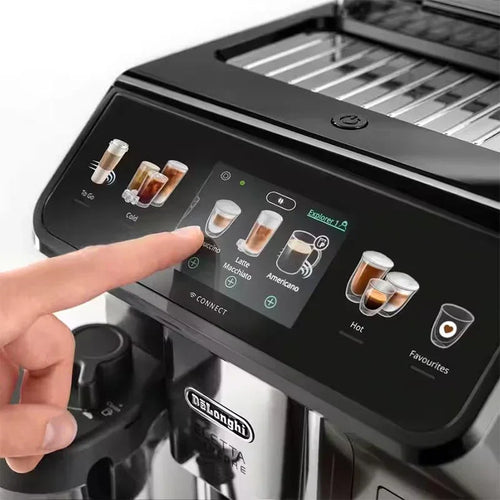
The most comprehensive review of DELONGHI coffee machines
DeLonghi is an Italian premium brand known for its high-quality home appliances, especially coffee machines . The com...
