
Popular electrical testers among users!
An electrical tester is a device used to measure various electrical parameters and troubleshoot electrical circuits. There are different types of electrical testers available for different purposes.
Here are some common types of electrical testers:
1. Voltage tester: Used to measure the presence or absence of voltage in an electrical circuit. There are two main types of voltage testers: non-contact voltage testers and contact voltage testers. Non-contact voltage testers can detect voltage without direct contact with the circuit, while contact voltage testers require physical contact with the circuit.

2. Multimeter: A multimeter is a versatile instrument used to measure voltage, current, and resistance. It can also perform other functions, such as continuity testing. Multimeters usually have a digital display and multiple input jacks for different types of measurements.
3. Circuit tester: Circuit testers are used to test for the presence of electrical current in a circuit. They are usually used to check whether a particular section or circuit is receiving current. Circuit testers often have indicator lights or audible alarms to indicate the presence of voltage.
4. Ground Fault Circuit Interrupter (GFCI) Tester: GFCI testers are specifically designed to test for faulty circuits, outlets, or circuit breakers. They ensure the safety of electrical outlets in areas where there is a high risk of electric shock, such as bathrooms and kitchens.
5. Continuity Tester: A continuity tester is used to check whether a circuit is complete or if there is an interruption in the circuit. It is useful for troubleshooting electrical connections, such as checking for a broken wire or a faulty switch.

6. Insulation Tester: Insulation testers are used to measure the insulation resistance of electrical wires, cables, and equipment. They help assess the quality of insulation and identify potential electrical hazards.
7. Phase Sequence Tester: Phase sequence testers are used to determine the correct phase sequence in three-phase electrical systems. They ensure that phase order is maintained, which is important for the proper operation of motors and other three-phase equipment.
It is crucial to follow safety procedures and guidelines when using electrical testers. If you are unsure about using a particular tester or troubleshooting an electrical problem, it is recommended that you consult a licensed electrician or a professional experienced in electrical systems.
Popular models


 კომერციული გარანტია 1 წელი


შესაძლოა დაგაინტერესოთ
-
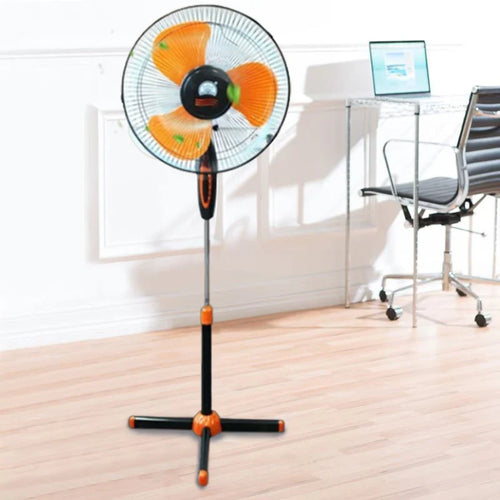
How to choose a fan?
As soon as summer arrives, the first thing that comes to mind is a fan . Fresh air circulation in the heat, rapid coo...
-
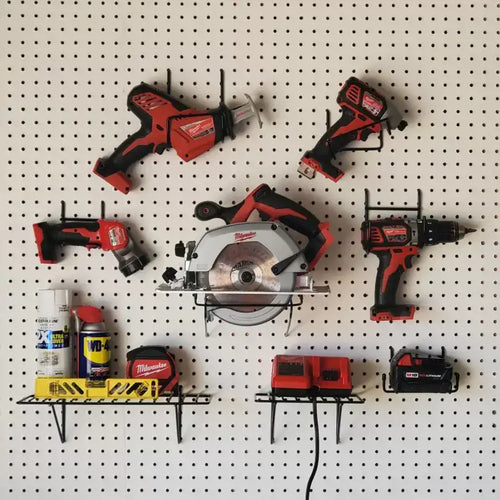
How to choose power tools in 2025?
Modern construction and repair work is unthinkable without quality power tools. Choosing the right tool is essential ...
-

How to choose a robot vacuum cleaner?
The question of how to choose a robot vacuum cleaner has been relevant since the appearance of these smart devices on...
-

How to set the refrigerator temperature?
Setting the refrigerator temperature correctly is essential to ensure that products retain their nutritional value fo...
-
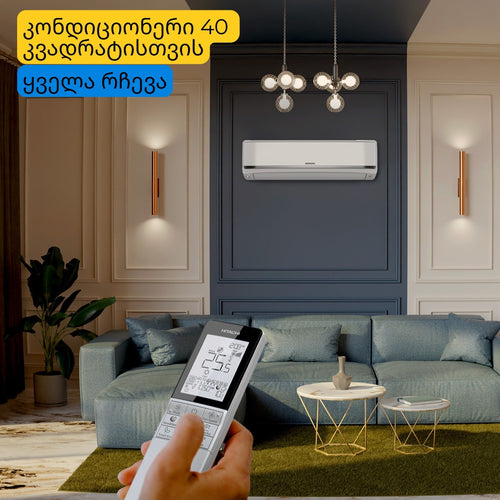
Air conditioner for 40 square meters - everything you need to know before buying
There are several important factors to consider when selecting the right air conditioner for a 40 m² room in 2025, en...
-

Intex or Bestway - which pool to choose?
When shopping for an outdoor framed pool, you've probably come across Bestway and Intex pools. Both brands offer a wi...
-
Overview of air conditioner features - what each one means
A modern air conditioner has many features, some of which are easy to guess by their names, but in advertising campai...
-
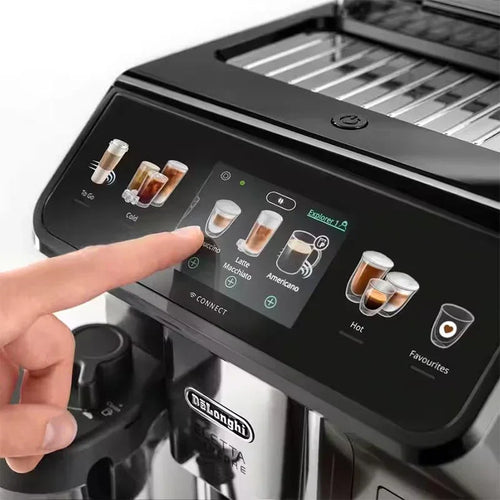
The most comprehensive review of DELONGHI coffee machines
DeLonghi is an Italian premium brand known for its high-quality home appliances, especially coffee machines . The com...
